

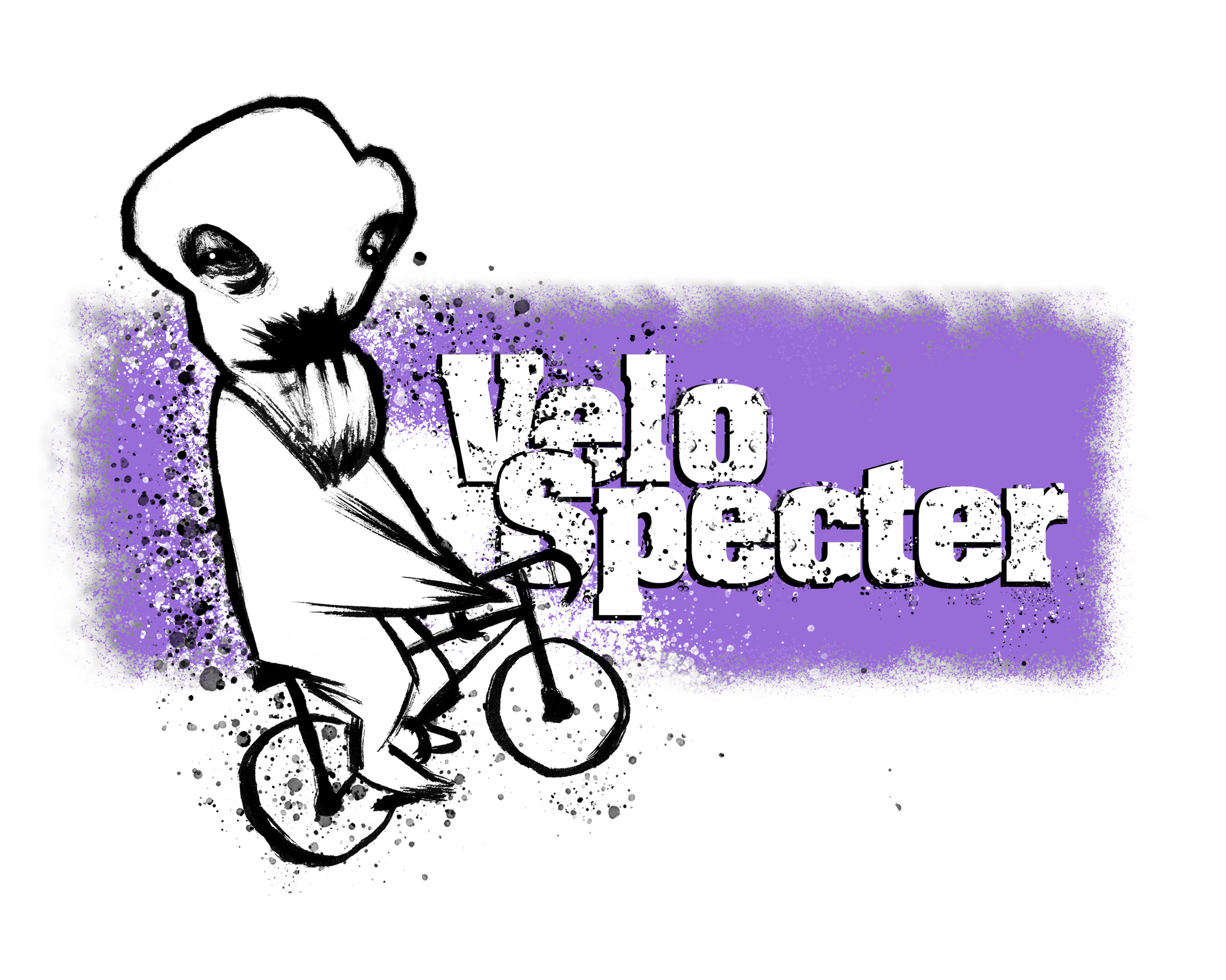

Why adopting
this Ghost?
Why Adopt This Ghost? Let’s be real: your sanctuary doesn’t need another pale, tubercular Victorian teenager named Bartholomew who died of "grief and bad weather" in 1842, dragging rusty iron chains across your floorboards at 3:00 AM while weeping into a lacy handkerchief. That is amateur-hour spectral baggage. Your space deserves a chaotic, high-voltage, zero-nonsense showstopper that converts pure existential dread into a heart-pounding sprint toward the finish line!
The Velo Specter doesn't haunt rooms—
it commandeers them. Looking like an ancient, darkroom-developed daguerreotype skull that got violently ambushed by a rogue street artist with a can of radioactive hot-pink spray paint, this entity bridges two extreme worlds: 19th-century gothic terror and underground, fixed-gear bicycle anarchy.
It doesn't whimper about its tragic past;
it locks its skeletal feet into the pedal straps, stares straight through your soul with hollowed-out sockets, and commands you to stop agonizing over minor inconveniences. If you’re ready to trade petty main-character meltdowns for an iconic, wall-dominating piece of neon-gothic attitude, adopting this stoic phantom is the ultimate power move.













The Lore:
Born on the Asphalt
Long before becoming a permanent stencil on reality, the Velo Specter was the undisputed, mythical legend of the midnight alleycat races—a brakeless courier who treated city traffic, red lights, and human exhaustion as optional suggestions. He dominated the rain-slicked concrete canyons of the metropolis on a custom track bike, carrying heavy packages and a cold, silent refusal to slow down. Legend says he didn't die in a tragedy; he took a hair-pin turn over wet cobblestones at top speed, hit absolute peak velocity, and phase-shifted straight through the physical fabric of space-time out of pure, stubborn momentum.
Now, he manifests wherever ambient excuses get too loud and human drama hits an unacceptable pitch. He is the patron saint of gritted teeth, burning calves, late-night deadlines, and pure, unfiltered focus.
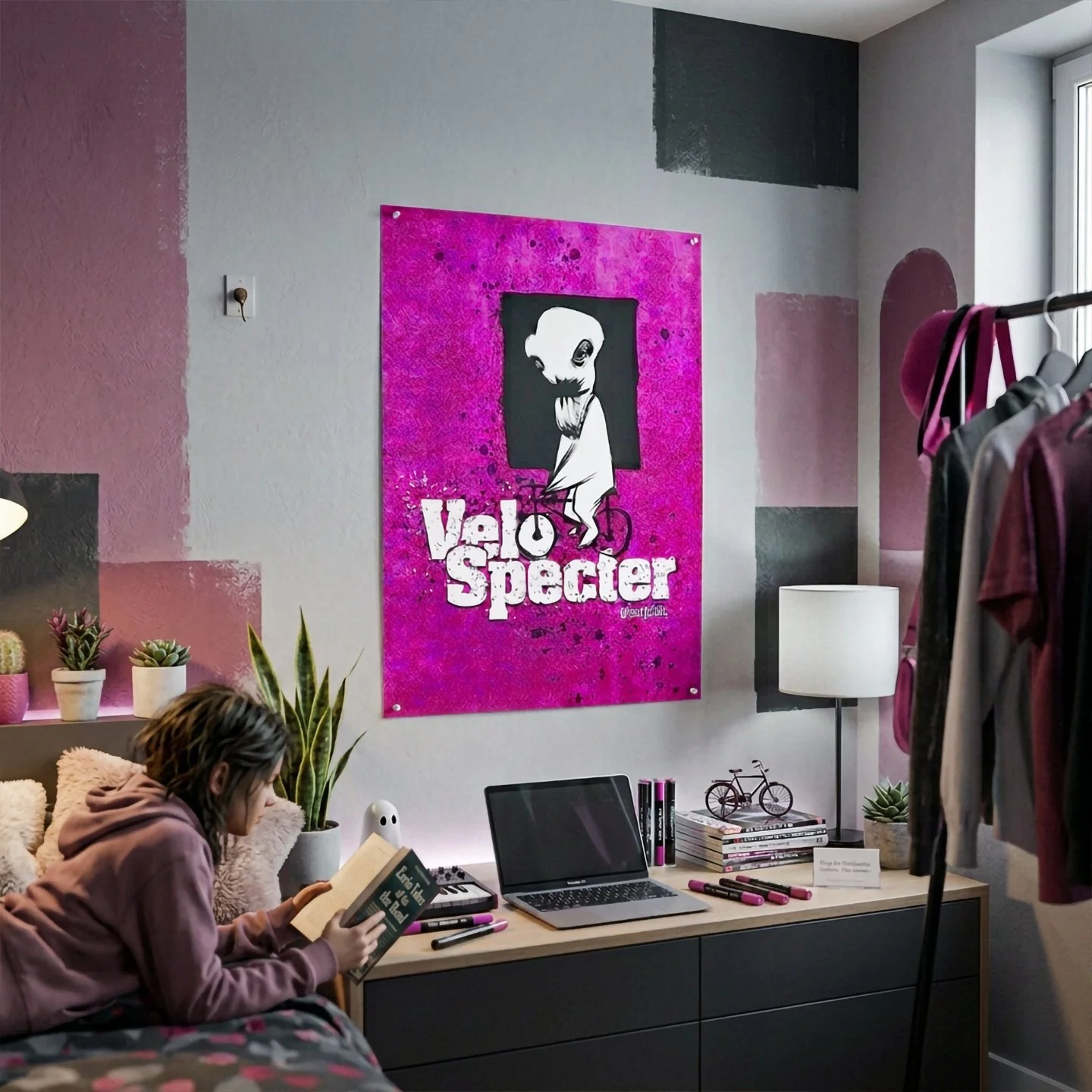
The Story Behind the Art The visual style bridges two extreme worlds: a brooding, daguerreotype photographic base representing the heavy, exhausting weight of the daily grind, juxtaposed against a searing, neon-pink stencil application. The glowing spray splatter isn't just an aesthetic—it’s a physical disruption of the dark frame, mirroring the exact moment you decide to drop the mental static, grip the handlebars, and push through.
Spectral Capabilities & Room Dynamics
Anti-Drama Forcefield: Projects a high-frequency aura that instantly neutralizes minor personal complaints, petty group-chat debates, and self-inflicted angst.
Aggressive Contrast: Features an ultra-deep black underbase slashed by searing, neon-pink spray splatter that pops off the wall like an illegal midnight wheatpaste poster.
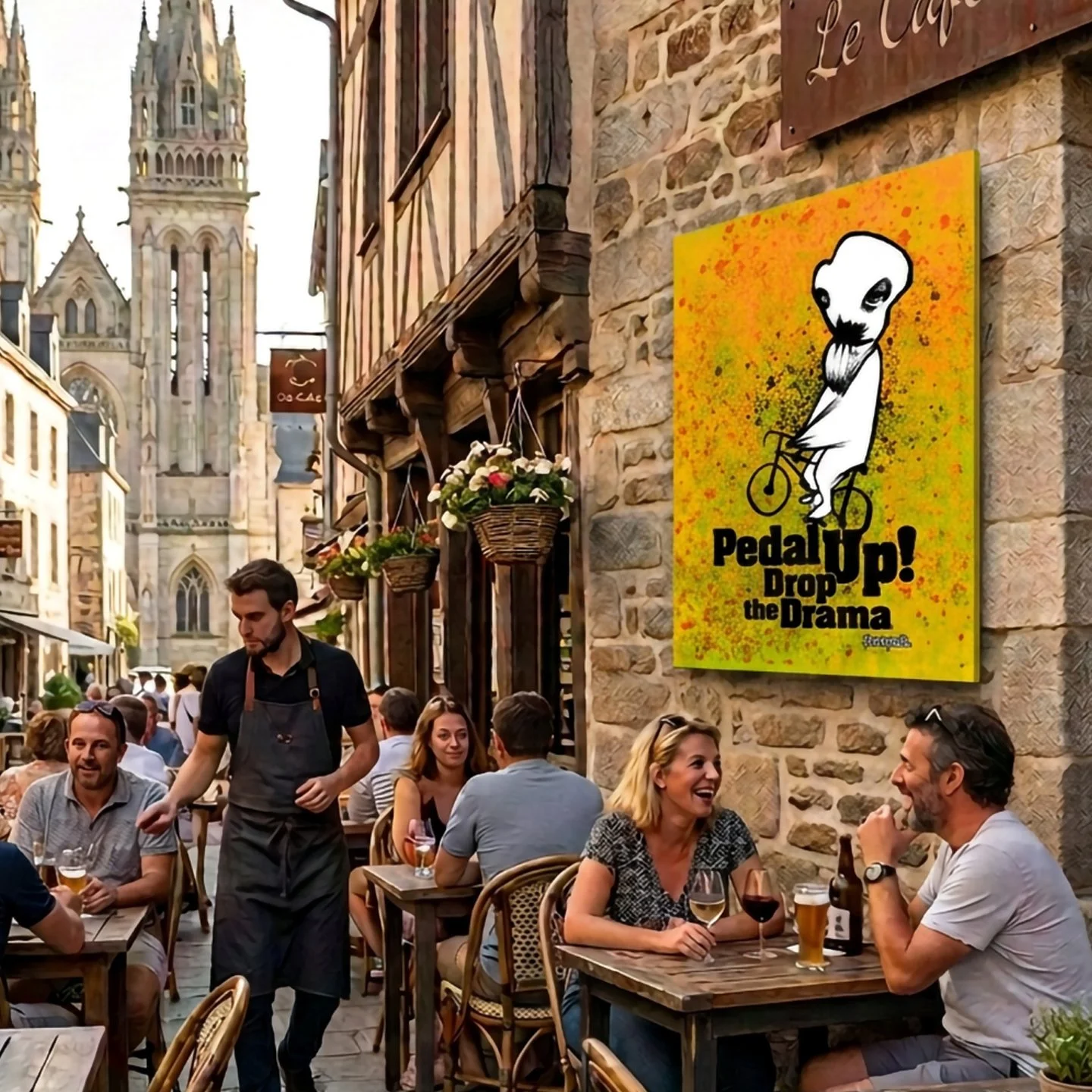
Optimal Habitat: Mount him directly above your bike rack, home gym, workstation, or anywhere you sit when you're tempted to quit early. One look at his stoic jawline gives you the exact same message every single time: Grip the bars, hit the stride, and drop the drama.
Along the treacherous limestone cliffs of Rochecorbon—a razor-sharp riverbank curve on the Levée de la Loire just outside Tours, France—lies the historical origin of the Velo Specter.
The 1788 Royal Dispatch Crash In November 1788, during the icy pre-Revolutionary winter, the royal post houses relied on chevaucheurs—fearless, heavily booted dispatch riders who galloped along the cobblestone embankments of the Loire River to deliver king's decrees between Paris and Tours.
The most notorious among them was Jean-Luc "Le Volant" (The Flying Courier), a man who viewed speed limits as insults and bad weather as a personal challenge. On a pitch-black, rain-slicked night, carrying urgent royal correspondence into Tours, Jean-Luc approached the deadly hairpin turn at Rochecorbon. Where any sane rider would pull the reins, he dug his iron spurs in deeper to outrun a surging river flood. His horse slipped on the wet cobbles, launching horse, rider, and dispatch satchel off the cliff into the churning black currents of the Loire. His body was never found—only a trail of scorched iron sparks left on the stone curve.
The 1896 Rebirth: The Inaugural Paris–Tours Race For over a century, the curve at Rochecorbon remained a dark local legend. Then came May 17, 1896—the inaugural running of the Paris–Tours bicycle race, one of the oldest road races in cycling history.
As the pioneer racers pushed their primitive, fixed-gear velocipedes down the paved river road toward the finish line, riders near the back of the pack reported a terrifying phenomenon: as they rounded the Rochecorbon bend, a shadowy, skeletal courier on a custom, brakeless iron track frame materialised beside them out of nowhere. Instead of slowing down for the curve, the phantom accelerated through the turn, his hollow sockets locked straight ahead, spraying a trail of electric-pink ectoplasmic static over the damp asphalt before vanishing into thin air.
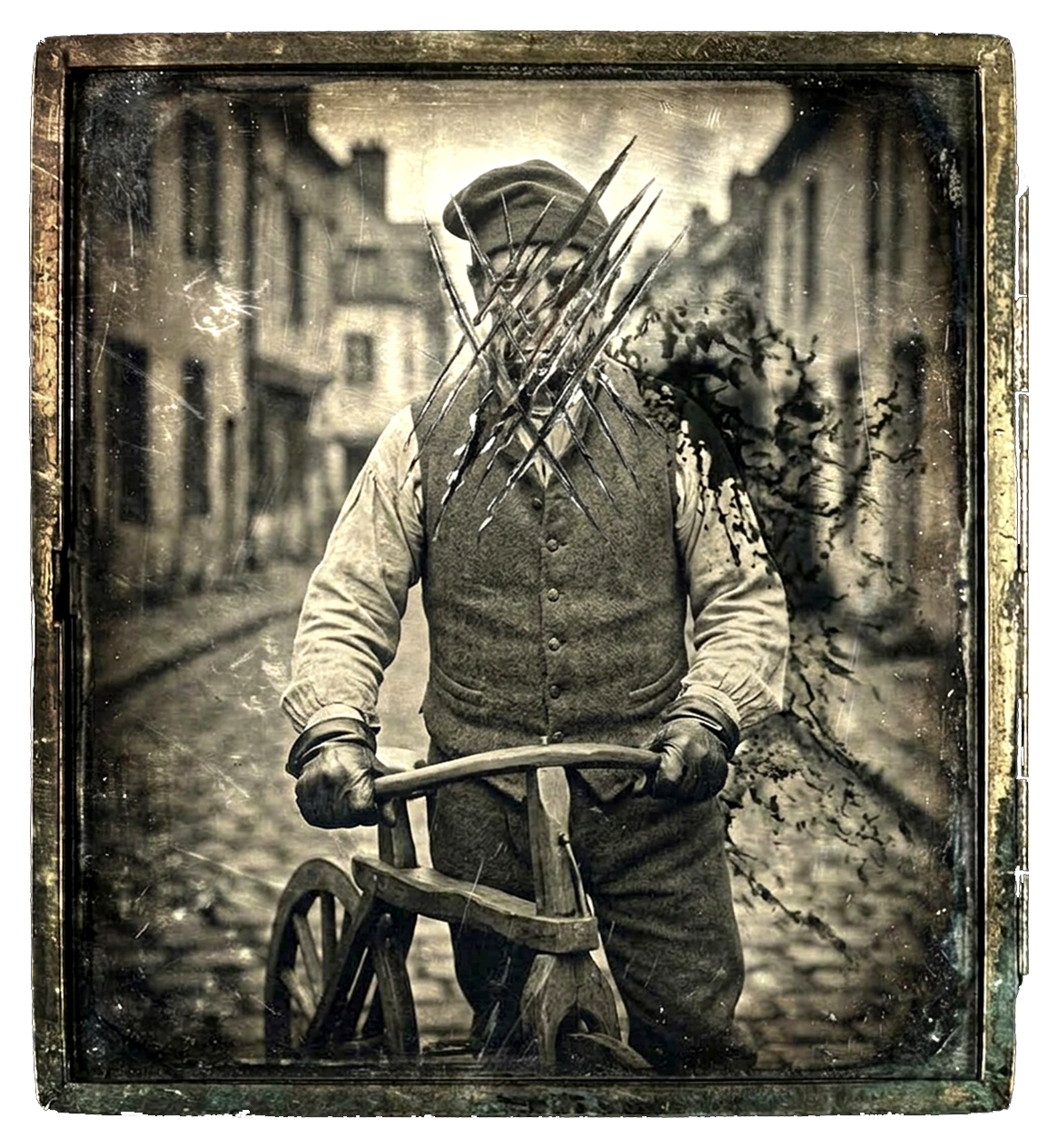
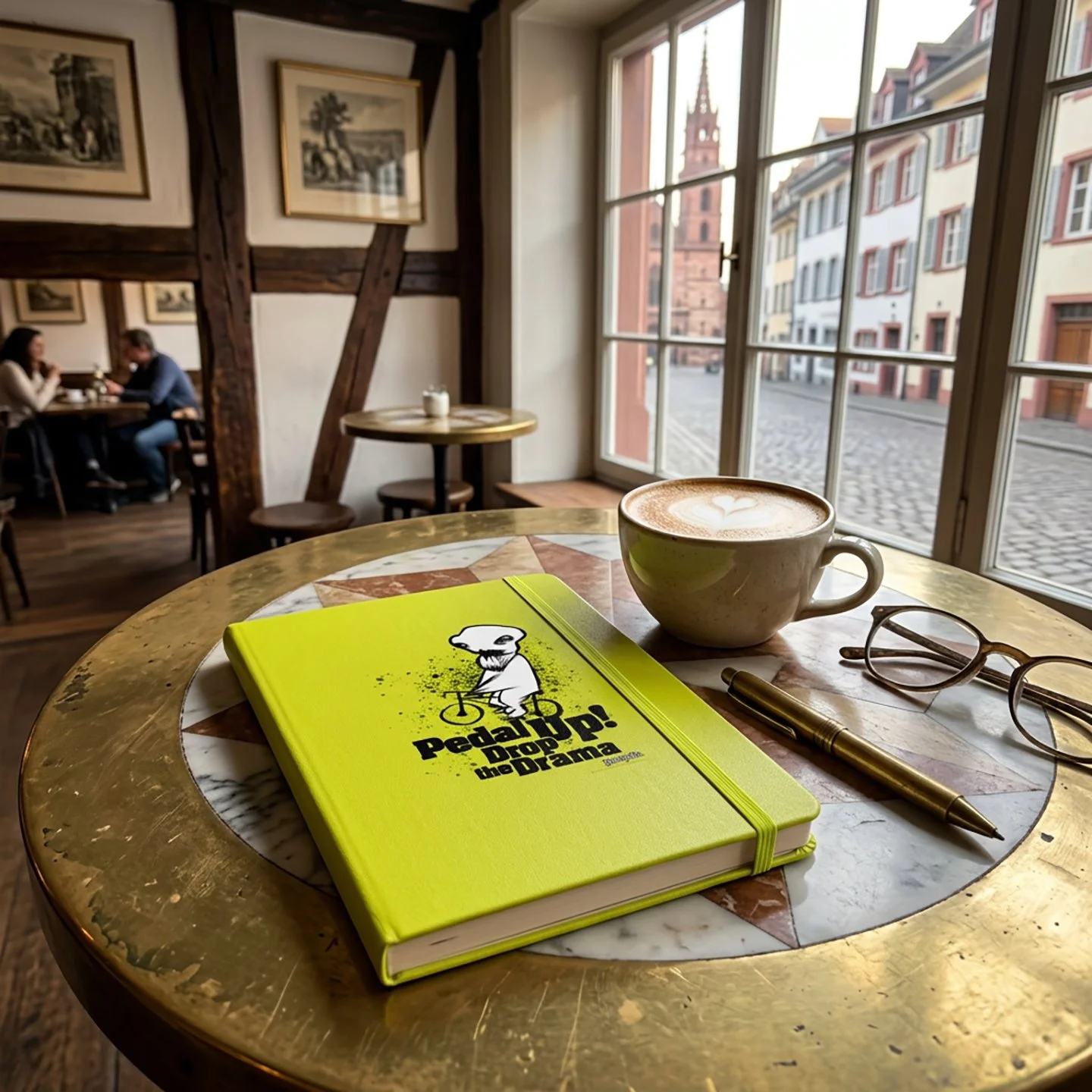
Before the Tour, before the peloton, there was Jean-Luc "Le Volant," an urban legend of 1790 who commanded the cobblestones of Tours on his wooden célérifère. A rider of zero brakes and unmatched speed, he took the fatal curve at Rochecorbon as a challenge, not a risk. What remains is this daguerreotype of the Velo Specter: face violently fractured by iron splinters, shadowed by an unyielding phantom force, a reminder born on the Loire bank that some riders are simply meant to run straight into immortality. Pedal on. Drop the drama.